Poppi: The Beverage Rebrand that Led to a $1.95 Billion Dollar Buyout
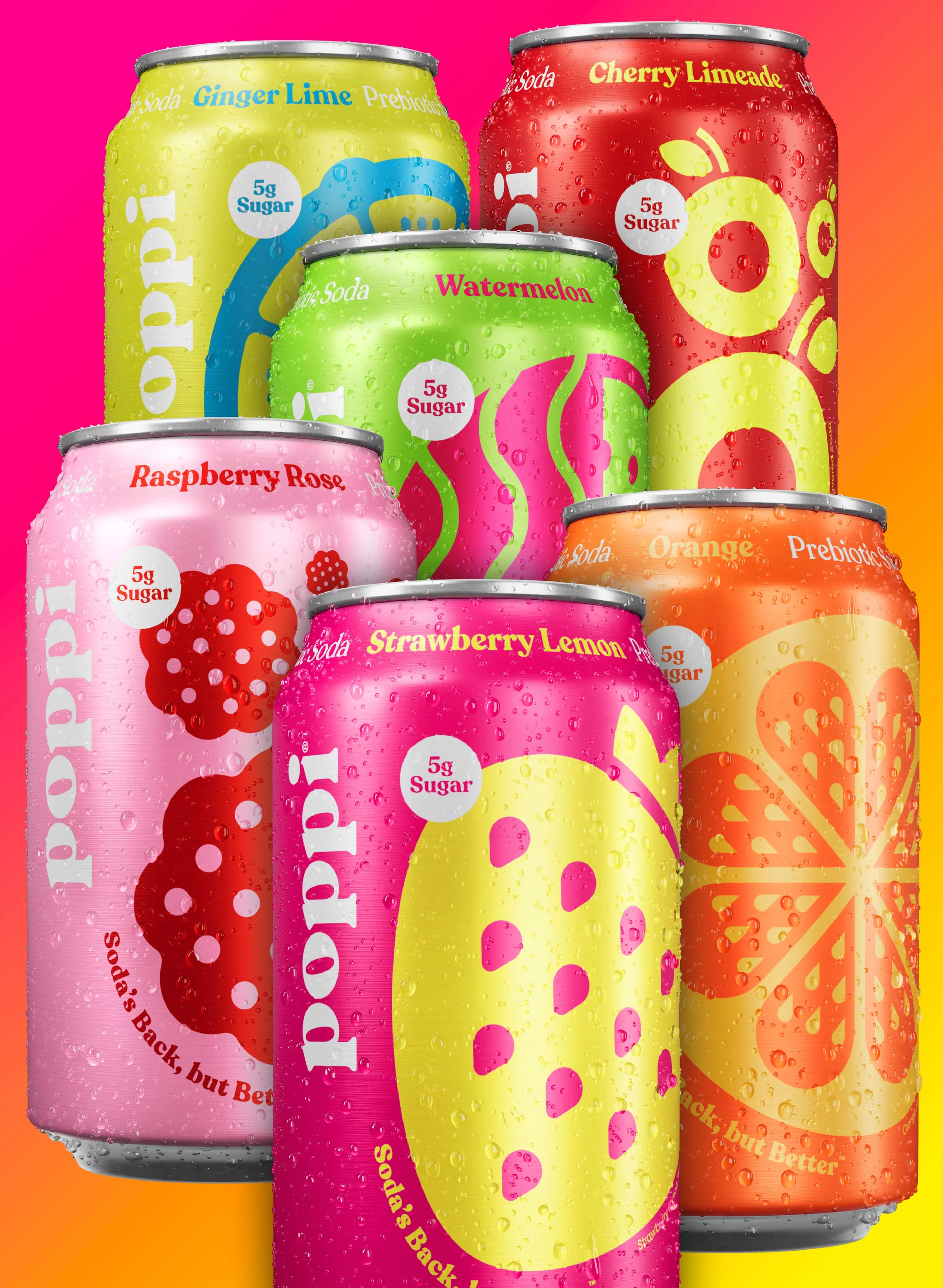
A great product can get you started. But the right brand can change how big the opportunity becomes.
I’ve been in the deepest rabbit hole over a soda brand.
Listening to podcasts, watching interviews, rewatching an old Shark Tank clip, reading articles, the whole sha-bam. For me, it started with a podcast episode during rush hour a couple weeks ago, and now I've somehow ended up with 47 tabs open, emotionally invested, and ready to explain the evolution of prebiotic soda to anyone who will listen.
The brand?
Poppi. But of course.
The bright, colorful, “wait, I don’t need to feel guilty about soda?” brand that now sits on shelves right next to the classics.
But before Poppi was Poppi…
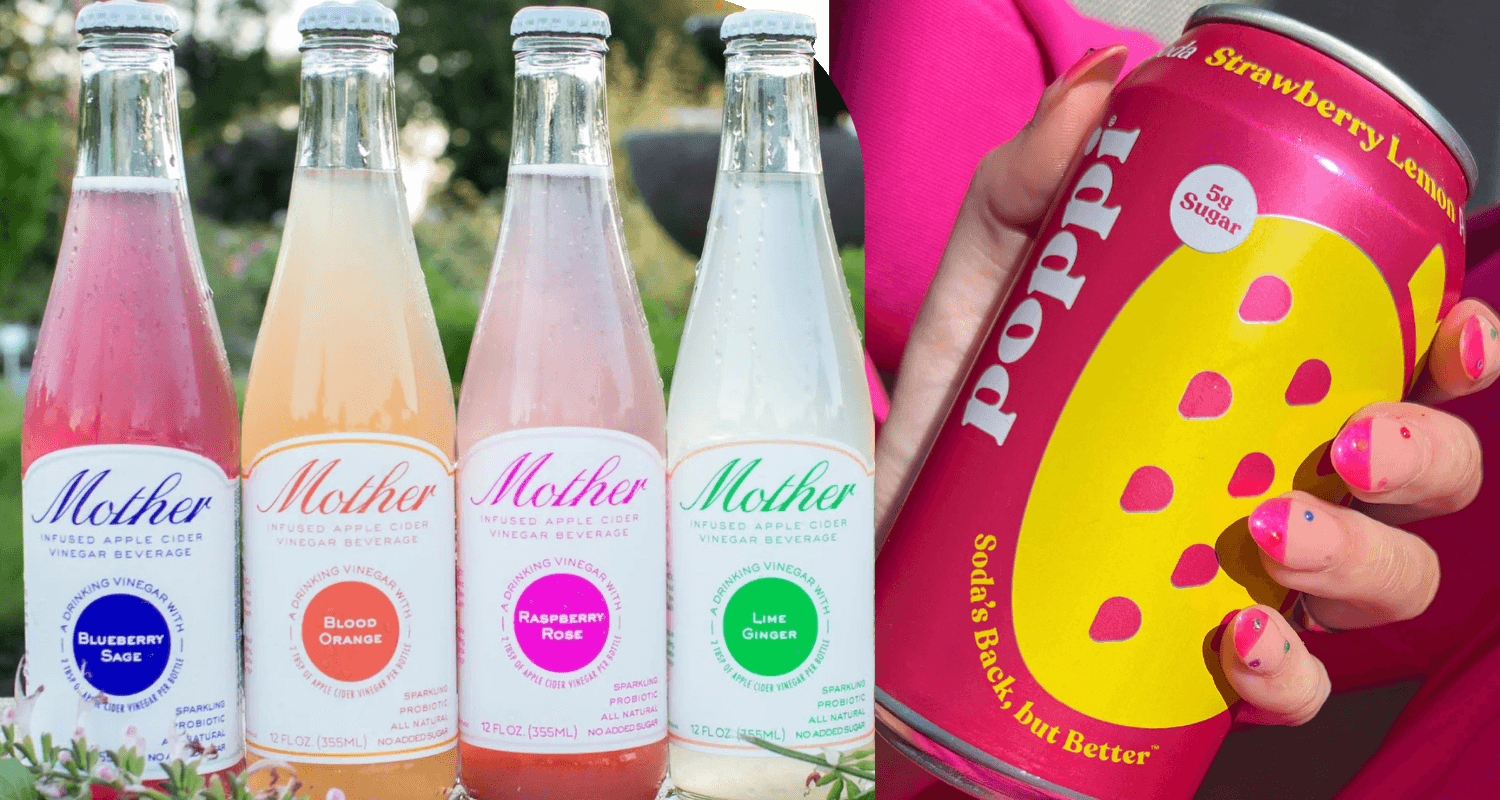
it was actually called Mother Beverage.
And that one detail is where the branding lesson gets really interesting. Because this isn’t just a story about a better-for-you soda brand that took off.
It’s a story about what happens when a good product finally gets a brand that matches the size of its potential.
>> Shortcut to Video Explanation <<
Before Poppi was Poppi, it was Mother Beverage
Poppi started in 2018 in the kitchen of husband-and-wife duo Allison and Stephen Ellsworth. Allison had been experimenting with apple cider vinegar, trying to create something that tasted better than the usual ACV experience but still had the gut-friendly benefits. The brand launched as Mother Beverage, and before Shark Tank, they were selling at farmers markets and had already made around $500,000 in sales.
That number is important because this was not a case of “bad product, good packaging.”
They already had something people wanted. They had traction, a founder story, proof of demand, and an actual product solving an actual desire: a good-for-you drink that tasted good but didn't have all of the sugar that is typically in the beverage aisles.
But when they went on Shark Tank, they weren’t really pitching it as a soda disruptor yet. It was positioned more like a healthy sparkling apple cider vinegar beverage, which makes sense because that was the origin of the product.
But origin and opportunity are not always the same thing.
And that is where a lot of brands get stuck. They build their brand around where they started instead of where they are capable of going.
The rebrand: more than just prettier packaging
During/After Shark Tank, Mother Beverage partnered with Rohan Oza, one of the sharks known for his work with major consumer brands. Eventually, the company went through a major rebrand, shifting from Mother Beverage to Poppi. According to one case study, the 2020 rebrand changed the name, logo, packaging, and positioning, moving the brand from more of a “vinegar health drink” into the clearer category of “prebiotic soda.”
That is the part I think founders need to pay attention to.
They did not just make the can brighter.
They changed the framing.
Instead of asking people, “Are you interested in an apple cider vinegar drink?”
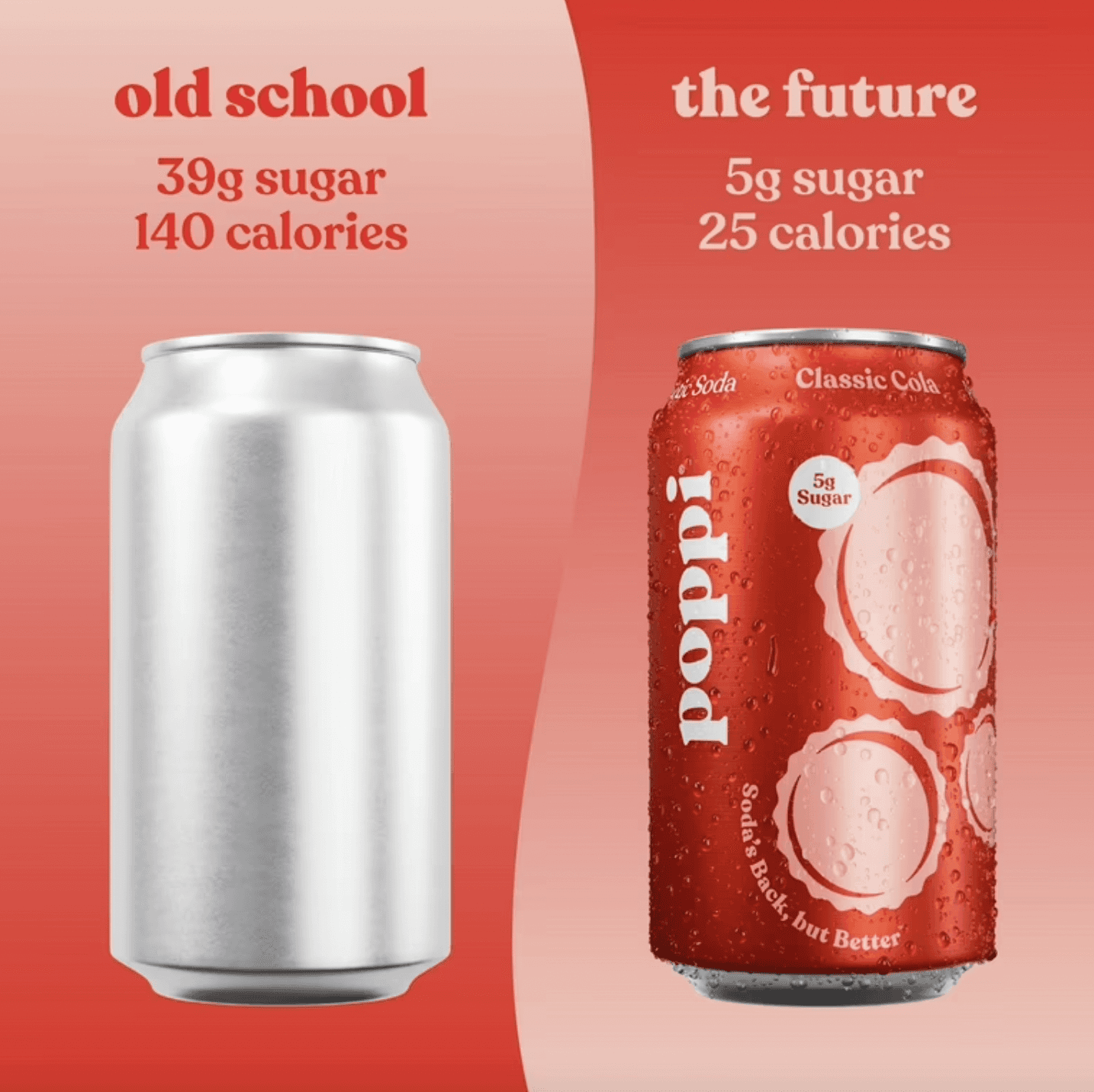
the new positioning asked: “Do you love soda, but want a better way to enjoy it?”
And that is a huge branding move because those are two very different audiences.
Beyond a rebrand…
Now, I do not want to oversimplify this and say Poppi grew only because of the rebrand.
That would be too easy, and honestly, not very fair.
They had a good product, founder grit, timing, retail momentum, social media strategy, investment, distribution, and a category that was ready for that disruption. The rebrand was not the only reason they grew, but I do believe it helped unlock the scale of what was already there.
That is what strong branding is supposed to do.
It does not invent value where there is none. It helps people see the value faster. It helps a product move from “interesting” to “I get it.” It helps customers remember you and retailers understand where you belong.
Because a great product with confusing branding has a ceiling.
People might like it once they try it, but if they do not remember the name, understand the category, recognize the packaging, or know how to explain it to a friend, the brand has to work so much harder for every sale. And trust me… With all of this research and as many times as I've needed to type "Mother Beverage" with each search I still found myself forgetting it.
Poppi made the idea and name easier to repeat. And the great taste made drinking it repeatable too ;-)
From $500,000 in sales to a nearly $2 billion acquisition
Now for my favorite part.
When Allison and Stephen went on Shark Tank, they had reportedly done around $500,000 in sales.
In 2025, Pepsi acquired Poppi for $1.95 billion.
That's billion with a B.
Pepsi was buying into a fast-growing beverage company in a category that had clearly become more valuable. But that is exactly why the brand story matters.
Poppi did not just create a drink. They helped create a more mainstream language around a new kind of soda. They made it colorful. They made it craveable. They made it easy to spot. They made it easy to talk about. They made the brand feel like it belonged in the soda world, not outside of it.
And that is such an important distinction.
Some brands try to compete with a category by distancing themselves from it completely.
Poppi did something smarter. They stepped into the category and reframed it.
Not “we are not soda.”
Instead, it's like their famous tagline goes: “Soda’s back, but better.”
>>Shortcut to Video Explanation<<
The real lesson for founders
The real lesson here is not that every business needs a new logo, a brighter color palette, or a name that sounds cute on a shelf.
No, no.
The lesson is that a rebrand is not always just about how something looks.
Sometimes it is about changing the way your product is understood.
It is the messaging. The positioning. The category comparison. The way you explain what you do, who it is for, and why someone should care.
That is what made Poppi’s rebrand so interesting. It was not just Mother Beverage with a new label slapped on the front. The product went from being talked about like an apple cider vinegar drink to being positioned as a better-for-you soda alternative.
And that shift changed the size of the opportunity.
Because that is what strong branding does. It helps people understand where your product belongs in their life.
I think a lot of founders get stuck here because they are so close to the thing they built. And honestly, that makes sense. Ya started it. You named it. You explained it the first way. You made a thousand tiny decisions to get it into the world.
But sometimes the first version of your brand is not the version that can carry the next chapter.
It takes open-mindedness to evolve and sometimes… a bit of letting go.
You have to be willing to look at it from the outside, get perspective, and ask whether the way you are presenting it is actually helping people understand the value.
Because you can have the experience, the product, the method, and the results, but if the way your brand shows up doesn’t communicate that (and quickly), people won’t stick around long enough to understand why you’re the better choice.
Sometimes, the thing that gets you through the next ceiling is not changing what you do.
It is changing how clearly the world can see it.
Thinking of a rebrand for yourself or your business? Book a free creative call to learn more.
Continue Reading
Explore ideas, trends, and behind-the-scenes stories from our studio.

